
History
Maia dos Reis Hotel Rural is a recent tourist development located in northern Portugal, in the parish of Folgosa da Maia, Porto. It results from the renovation of an old farmhouse dating from 1719, listed as a heritage site of municipal interest. The requalification project, by architect Joaquim Massena, respected the original design of the building, preserving its historical and architectural value.
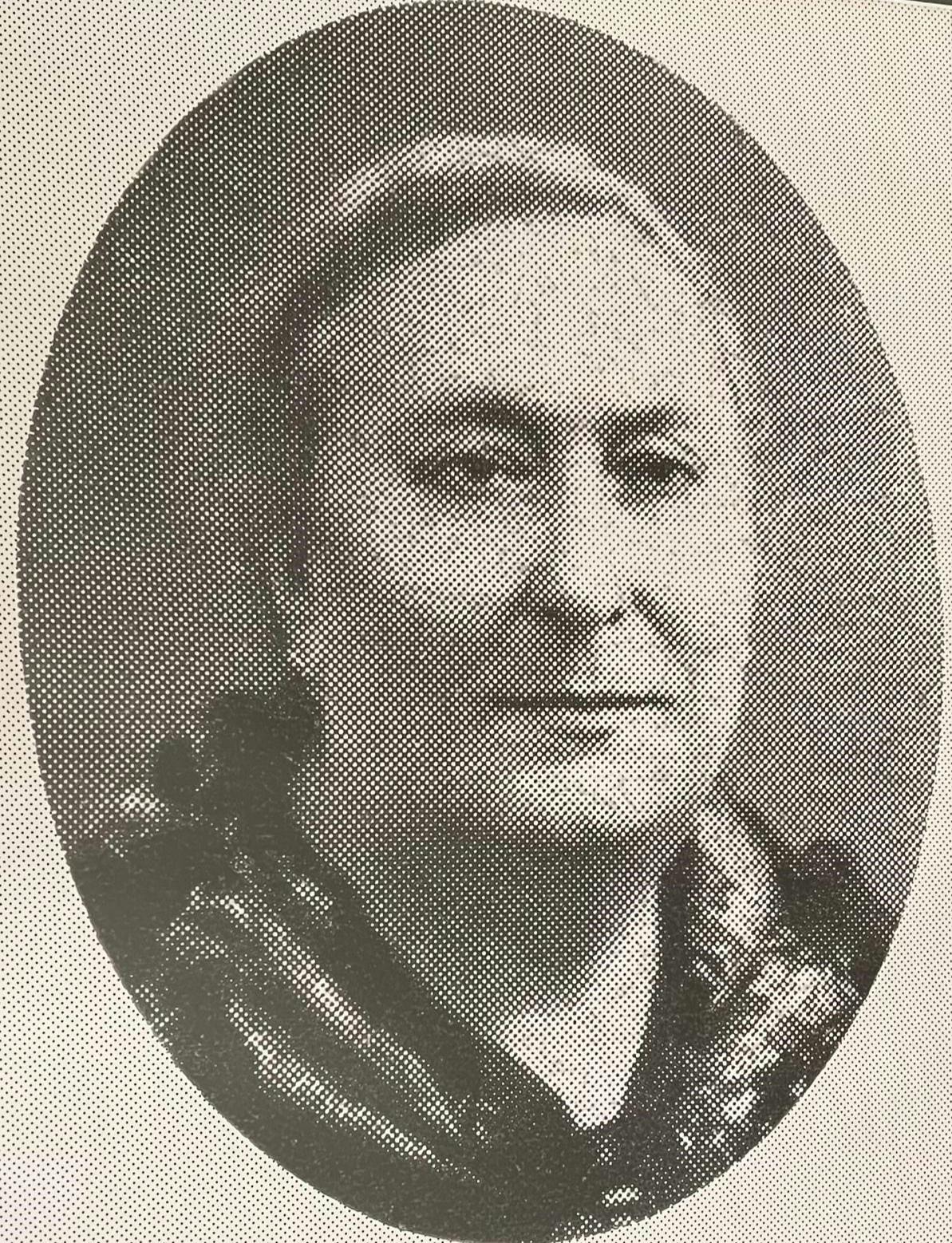
The hotel's name is a tribute to Rosa Maia dos Reis, grandmother of the founder António Manuel Deveza Marques Reis, and to the family legacy, whose history merges with the hotel's identity.
This space stands out for its architectural grandeur and careful selection of period furniture, with pieces in jacaranda, rosewood, and vinhático wood, creating an elegant, welcoming, and authentic atmosphere.
The complex develops around the quinteiro, a central horseshoe-shaped courtyard that once served as the epicenter of agricultural activities. Today, it keeps alive the memory of rural life as a space for meeting and contemplation. Maia dos Reis Hotel Rural is the ideal place for a peaceful stay, whether for leisure, business, or as a stopover on the Camino de Santiago.
Strategic Location
- 15 min from Francisco Sá Carneiro Airport
- 25 min from Porto and Douro Valley
- Close to S. Frutuoso train station
- Access to major highways (A3, A4, A28, A29, A41)
Nearby are golf courses, a racecourse, an airfield, Atlantic beaches, and the Douro wine region, offering unique experiences throughout the year.
Maia dos Reis Hotel Rural is therefore more than just accommodation — it's a haven of authenticity, history, and comfort, where every detail reflects a deep respect for heritage and the land.